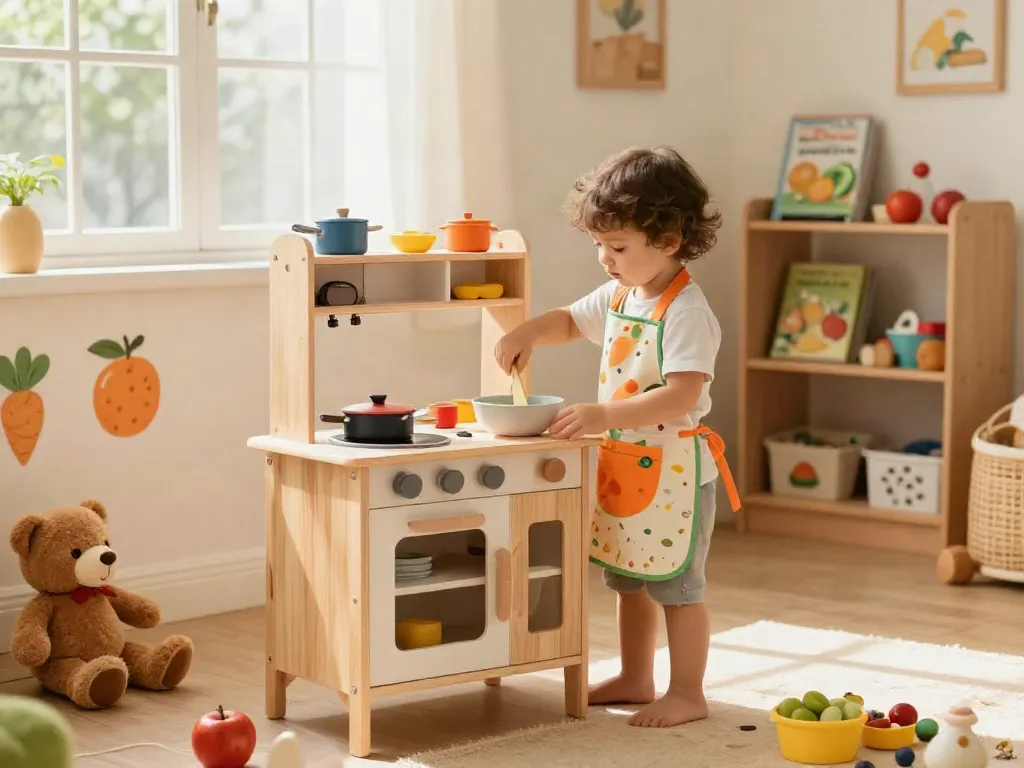
The Benefits of a Play Kitchen
Play kitchens are not just toys; they are invaluable tools that foster development in young children. From sparking creativity to teaching essential life skills, these imaginative playsets offer a plethora of benefits to children of various ages. When exploring options, play kitchen sets come in a variety of designs that can enhance a child’s learning and engagement during playtime.
Enhancing Creativity and Imagination
One of the primary benefits of a play kitchen is its ability to enhance creativity and imagination. Children enter a world of make-believe, pretending to cook, serve, and role-play various scenarios. This kind of imaginative play encourages them to think outside the box, solving problems and creating stories around their play. Whether they're pretending to host a dinner party or running a café, the flexibility of these toys allows children to explore their creativity freely.
Developing Essential Life Skills
Playing with a kitchen set is a fantastic way to develop essential life skills. Kids learn about food, nutrition, and kitchen safety while mimicking adult behaviours in a controlled environment. They can practise measuring ingredients, understand the importance of cleanliness, and even learn to follow recipes, which fosters early mathematical skills and comprehension. These hands-on experiences contribute significantly to their cognitive development.
Encouraging Social Interaction
Play kitchens are also excellent for promoting social interaction among peers. When children play together, they learn to negotiate roles, share responsibilities, and communicate effectively. This type of cooperative play is vital for developing social skills that will carry over into other areas of their lives, such as school and relationships. Additionally, children often role-play scenarios seen in real life, helping them understand social cues and develop empathy.
Choosing the Right Play Kitchen
Factors to Consider: Size and Style
When selecting a play kitchen, size and style are crucial factors to consider. The kitchen set should fit comfortably in your chosen play space while allowing for movement and interaction. Additionally, think about the décor of your home and choose a style that complements it, whether it’s modern, traditional, or rustic. Play kitchens come in various colours and themes, so you can find one that suits your child’s taste and your home aesthetic.
Material Quality and Safety Standards
The material quality of a play kitchen directly affects its durability and safety. Opt for kitchens made from high-quality, non-toxic materials that meet safety standards. Wooden kitchens are often favoured for their sturdiness and natural feel, while plastic kitchens can be lighter and easier to clean. Always check for age recommendations and safety certifications to ensure a worry-free play experience.
Features to Look for in a Play Kitchen
Various features can enhance the play experience, making some kitchens more appealing than others. Look for sets that include interactive elements such as:
- Stovetops with lights and sounds
- Ovens with doors that open and close
- Sinks with running water features
- More realistic accessories like pots, pans, and play food
These added features can stimulate a child’s sense of reality and make their imaginative play even more engaging.
Popular Play Kitchen Brands
Comparing Features and Price Points
Many brands offer play kitchens, each with unique features and price points. Renowned names like KidKraft and Melissa & Doug provide high-quality sets that are generally more expensive but known for their durability and realistic designs. In contrast, brands such as Step2 and Little Tikes offer more budget-friendly options that still capture a child’s imagination while being fun and practical.
Top Picks for 2026: What’s Trending?
As we move into 2026, the trends in play kitchens are leaning towards eco-friendly materials and more interactive technology. Compact designs that can fit into smaller spaces are becoming increasingly popular, reflecting modern living trends. Furthermore, kitchens that encourage STEM learning through cooking science are gaining traction, offering an educational angle to playtime that parents appreciate.
Where to Buy: Online vs. Retail Options
Parents have several options for purchasing a play kitchen. Online retailers often have a broader selection and competitive pricing, allowing you to compare different models easily. Websites like Amazon, Wayfair, and specialist toy shops provide varied inventories. However, buying in-store can allow you to see the kitchen firsthand, assess its quality, and sometimes even find unique local designs that may not be available online.
Creative Accessory Ideas for Your Play Kitchen
Essential Play Kitchen Accessories
To enhance the play experience, consider adding essential accessories to your child’s kitchen. Items like play food sets, utensils, and pots can greatly enrich the imaginative experience. These accessories simulate a real kitchen environment, allowing children to engage more deeply in their role-play and enhancing their overall enjoyment.
DIY Accessories to Enhance Playtime
For those inclined towards creativity, DIY accessories can add a personal touch to a play kitchen. Simple crafts like homemade food items or custom aprons can be a fun activity for parents and children to do together. Cardboard boxes can be transformed into pizzas or cakes, while felt can be cut into various food shapes, providing endless opportunities for imaginative play.
Seasonal Themes and Special Occasion Sets
Incorporating seasonal themes and special occasion sets can keep play kitchens fresh and exciting throughout the year. For example, a mini Thanksgiving dinner set or a BBQ grill can spark themed role-playing. Holiday-themed accessories encourage educational moments as children learn about traditions while engaging in imaginative play.
Frequently Asked Questions about Play Kitchens
What age is appropriate for a play kitchen?
Most play kitchens are designed for children aged 2 to 6, but this can vary by brand. Always check the manufacturer's recommendations to ensure the set is suitable for your child’s age and developmental stage.
How much should I spend on a play kitchen?
The cost of play kitchens can range broadly from around £50 to over £300, depending on the brand, materials, and features. Investing in a high-quality kitchen can offer longer-lasting enjoyment, so consider your budget and the expected lifespan of the toy.
Are play kitchens worth the investment?
Absolutely! The educational and developmental advantages a play kitchen provides make it a worthwhile investment. They encourage imaginative play, teach essential skills, and can be used for a range of activities, ensuring they remain relevant as your child grows.
Which play kitchen is considered the best?
The best play kitchen largely depends on your child’s needs and preferences. Brands like KidKraft and Melissa & Doug are often at the top of most lists for their durability and realism. Reading reviews and considering your child's interests will help guide your decision.
How do play kitchens support learning?
Play kitchens support learning in numerous ways. They encourage fine motor skills through the manipulation of kitchen tools and food items. They also promote language development through role-playing dialogues, and enhance problem-solving skills when children work through their cooking scenarios.