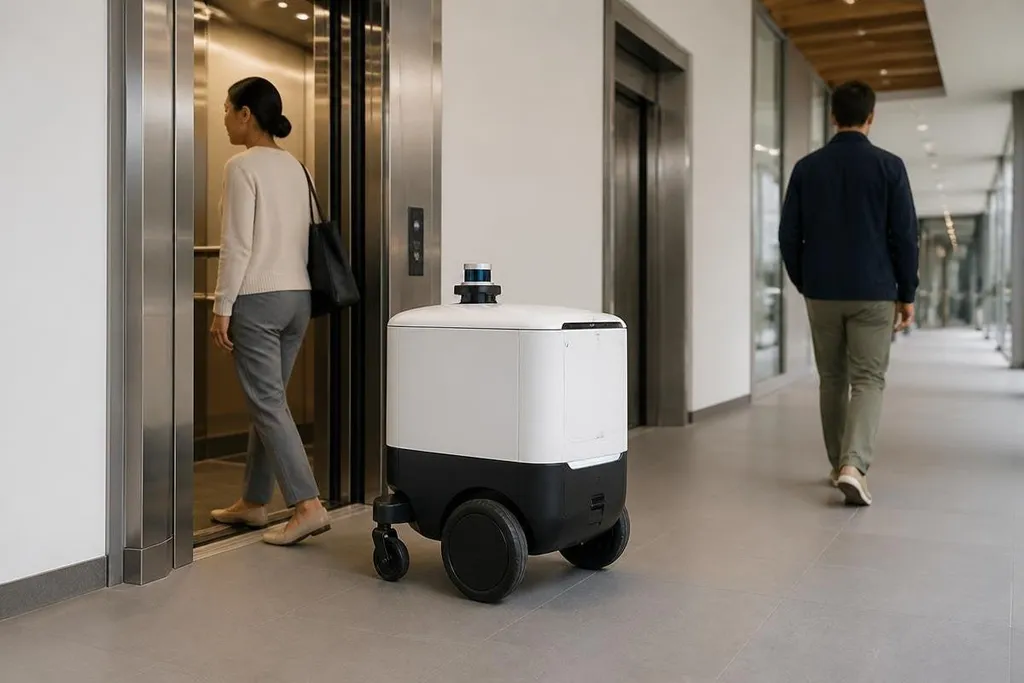
Understanding AI Automation
With the rapid advancement of technology, the concept of AI automation has gained significant traction across various industries. From streamlining operations to enhancing productivity, organizations are increasingly leveraging artificial intelligence to automate complex processes. This article delves into what AI automation entails, its evolution, benefits, and the future trends shaping its landscape.
What is AI Automation?
AI automation refers to the integration of artificial intelligence technologies with automation processes to enhance decision-making and optimize workflows. By utilizing algorithms and machine learning models, AI automation enables systems to perform tasks previously handled by humans, such as data collection, analysis, and even customer interaction.
The Evolution of AI Automation Technologies
The progression of AI automation technologies has been remarkable. Initially, automation primarily focused on repetitive, rule-based tasks through traditional software automation. However, as machine learning and natural language processing developed, AI automation began to incorporate more sophisticated algorithms capable of handling complex tasks that involve unstructured data.
Advancements in neural networks and deep learning have further propelled this evolution, allowing AI systems to learn from data patterns and make informed decisions. As a result, AI automation has transformed industries ranging from finance to healthcare, influencing how businesses operate and deliver value to customers.
Benefits of Implementing AI Automation
- Increased Efficiency: AI automation significantly boosts operational efficiency by reducing the time taken to complete tasks and minimizing human error.
- Cost Reduction: By automating labor-intensive processes, organizations can lower operational costs associated with manual work.
- Enhanced Decision-Making: With access to vast amounts of data, AI systems can analyze trends and provide insights that lead to better business decisions.
- Improved Customer Experience: Automation of customer interactions, such as chatbots, allows businesses to provide faster and more personalized service.
AI Automation in Business Processes
Businesses are increasingly turning to AI automation to revamp their processes and gain a competitive edge. By streamlining workflow efficiency, they can focus on strategic initiatives rather than mundane tasks.
Streamlining Workflow Efficiency
AI automation can streamline workflows by integrating systems and ensuring that information flows seamlessly across departments. For instance, in the finance sector, AI tools can automate invoice processing, freeing up employees to engage in higher-value tasks.
Reducing Operational Costs with AI Automation
Operational costs can be drastically reduced through AI automation. By minimizing manual labor and maximizing productivity, companies can allocate resources more effectively. This isn't just limited to large corporations; small and medium-sized enterprises also experience significant cost savings, allowing them to reinvest in growth and innovation.
Real-World Examples of AI Automation Success
Numerous companies have successfully integrated AI automation into their operations. For instance, Amazon employs AI algorithms to optimize its supply chain, ensuring efficient inventory management and rapid order fulfillment. Similarly, chatbots used by leading banks enable real-time customer support, significantly improving user satisfaction.
Challenges and Misconceptions
Despite the numerous benefits, the adoption of AI automation comes with its own set of challenges and misconceptions that organizations must navigate carefully.
Common Obstacles in AI Automation Adoption
Organizations often face resistance to change from employees who fear job loss due to automation. Moreover, the initial investment in AI technologies, coupled with the need for proper training and adaptation, can deter businesses from pursuing automation strategies.
Debunking Myths Surrounding AI Automation
Several myths surrounding AI automation persist. One major misconception is that automation will completely replace human jobs. The reality is that while AI can automate certain tasks, it also creates opportunities for new roles that focus on managing and interpreting AI outputs.
Understanding AI Automation Limitations
It's essential to recognize that AI automation isn't a panacea for all business challenges. Some processes require human intuition and creativity, which AI lacks. Businesses must evaluate where automation makes sense and where human intervention is irreplaceable.
Best Practices for Implementing AI Automation
To reap the maximum benefits of AI automation, organizations should adhere to best practices that ensure successful integration.
Steps to Successfully Integrate AI Automation
- Identify Suitable Processes: Evaluate and identify processes that are repetitive and time-consuming, which can benefit from automation.
- Invest in the Right Technology: Choose AI tools and platforms that align with your business needs and are scalable for future growth.
- Train Your Workforce: Ensure staff are equipped with the necessary skills to work alongside AI systems and understand their functions.
- Monitor and Adjust: Regularly assess the performance of AI systems to identify areas for improvement and adjustment.
Measuring Success: KPIs for AI Automation
To evaluate the effectiveness of AI automation initiatives, businesses should establish clear Key Performance Indicators (KPIs). Metrics such as time savings, cost reductions, and improvements in service quality are critical for measuring success.
Future-Proofing Your AI Automation Strategy
As technology evolves, businesses must remain agile and adapt their AI automation strategies accordingly. This involves staying updated on industry trends, exploring new technologies, and being open to revisiting and refining automation processes.
Looking Ahead: The Future of AI Automation
As we move further into 2026, AI automation is poised to shape the future of various industries, driving innovation and efficiency.
Trends Shaping AI Automation in 2026
Several emerging trends are set to influence the AI automation landscape, including increased use of AI in decision-making processes, the rise of intelligent automation that combines AI with robotic process automation (RPA), and the growing need for AI ethics and governance.
How AI Automation will Transform Industries
Industries such as healthcare, finance, and manufacturing will experience significant transformations due to AI automation. In healthcare, for example, AI can streamline diagnostics and patient management processes, leading to enhanced patient care and operational efficiency.
Expert Insights on the Future of AI Automation
Experts predict that AI automation will not only improve operational efficiency but will also enable businesses to deliver personalized experiences to customers. As companies leverage AI to gather and analyze customer data, they can tailor their offerings to match individual preferences and behaviors, fostering customer loyalty and satisfaction.
What is AI automation?
AI automation works by combining AI techniques with traditional automation, facilitating the performance of tasks without human intervention.
How can businesses benefit from AI automation?
Businesses can experience increased productivity, reduced costs, and improved decision-making capabilities through the strategic implementation of AI automation.
What industries are most impacted by AI automation?
Industries such as finance, healthcare, manufacturing, and customer service are among the most impacted by the growth of AI automation, leading to more efficient operations and better service delivery.
What are the top tools for AI automation?
Popular AI automation tools include UiPath, Blue Prism, and Automation Anywhere, each offering unique capabilities tailored to different business needs.
How to measure the success of AI automation initiatives?
Evaluating AI automation success involves tracking KPIs such as time saved, cost reductions, error rates, and customer satisfaction metrics to determine overall effectiveness and areas for enhancement.